

Call for swift arrest in uMngeni Municipality Councillor’s murder

KwaZulu-Natal Premier, Nomusa Dube-Ncube, has urged police to act swiftly to arrest the criminals behind the murder of uMngeni Local Municipality Democratic Alliance Chief Whip, Nhlalayenza Ndlovu.
Ndlovu was gunned down in front of his children at his home in eMpophomeni Township on Tuesday night.
The KwaZulu-Natal Provincial Government has condemned the murder.
The Premier said this was yet another incident of violence shining the spotlight on the killing of political leaders in the province.
“We simply will not allow our province to become a killing field, especially of politicians and traditional leaders. This is a direct attack on the centre that holds our communities together which should serve as the last defence of all the people of our province.
“Those elected should be allowed the space and time to govern following elections. Attacks on politicians are invariably an attack on the very institutions which hold our democracy together, and should never be countenanced,” Dube-Ncube said.
Ndlovu’s murder comes after Police Minister Bheki Cele released a report of the Inter-Ministerial Committee tasked to probe all political killings in KwaZulu-Natal in September, which reported major advances against this phenomenon.
Given the arrests reported by the police, the Premier said government is making progress in ensuring that the perpetrators of political and traditional leaders end up behind bars.
“As we send our condolences to the family of Councillor Ndlovu, we want to state that we have no doubt that the KwaZulu-Natal Police Commissioner, General Nhlanhla Mkhwanazi, and his team will ensure that no stone is left unturned to locate the killers.
“As we go into the festive season holidays, we also wish to sound a stern warning to all criminals that there will be no place to hide, as all organs of the State working together with all the law-abiding members of our communities, will continue to narrow the space for all forms of criminality in order to make our province a safer place to live in,” Dube-Ncube said.
Cooperative Governance and Traditional Affairs MEC Bongi Sithole-Moloi said it was disappointing that incidents of killing democratically-elected councillors continues to occur.
“As a department, we condemn violence in the strongest possible terms as we strive for stability and peace in all our councils, and it is always a matter of great concern when a ward councillor is killed in this manner, instilling fear in the public and fellow councillors.
“We call upon the public members or anyone who may have information that could lead to the arrest and prosecution of the perpetrators to work with the police to seek justice for councillor Ndlovu.
“As the department, we extend our condolences to the Ndlovu family, who have lost a father, to his friends, colleagues, and the entire uMngeni community, who have lost their representative in the council,” Sithole-Moloi said.

BMA intercepts harmful skin lightning products at OR Tambo

The Border Management Authority’s (BMA) port health team, working in the cargo section of the OR Tambo International Airport, on Thursday intercepted 865kg of skin lightning products, as well as unregistered medicine.
The BMA highlighted that skin lightening products are prohibited in South Africa as they cause harm to the skin.
“The products were coming in on a flight from Nigeria and will be destroyed. In accordance with the Medicines and Related Substances Act 101 of 1965 and the Foodstuffs Cosmetic and Disinfection Act 54, when these products are found, the importer has to pay for the destruction of the products before the rest of the shipment is released.
“Only an approved destruction facility licensed to deal with hazardous waste is used for destroying the products,” the BMA said in a statement.
The BMA’s port health team also found unregistered medicines which were detained for destruction.
Port Health and environmental health practitioners work closely with officials from the South African Health Products Regulatory Authority (SAHPRA) who play an important role in advising officials on product identification and what steps to take.
Port Health is a special function of the Border Management Authority which monitors and evaluates all foodstuffs, cosmetics, disinfectants, hazardous substances and medicines entering South Africa through the ports.
Commissioner of the BMA, Dr Mike Masiapato, has outlined detailed port health regulations that will be undertaken at ports.
“All arriving travellers must expect to be screened and searched on their arrival at the ports of entry. We have employed all our resources and intensified our work during this festive season to ensure our borders are secured. We aim to record significant success with interceptions around the ports of entry and border law enforcement areas,” Dr Masiapato said.
The BMA is responsible and accountable for the entire border environment ensuring legitimate movement of goods and people.

Government welcomes adoption of Post Office business rescue plan

The Department of Communications and Digital Technologies has welcomed the decision by the South African Post Office (SAPO) creditors to adopt the draft Business Rescue Plan.
“The timeous adoption of this Business Rescue Plan sets us on course in turning the tide in saving the South African Post Office in the interest of our developmental agenda as a country,” Minister of Communications and Digital Technologies Mondli Gungubele said on Thursday.
The draft Plan was published for comment on 23 November 2023.
“The post office remains an important institution in our postal services network nationally and in the Southern African Development Community (SADC) Region. Most importantly, we remain committed to ensuring that we build a post office of tomorrow which provides quality, affordable and accessible services to the people of South Africa, particularly in this digital era,” Gungubele said.
Business Rescue Practitioners, Anoosh Rooplal and Juanito Damons, appointed after SAPO was placed under Business Rescue in July 2023, were tasked with the responsibility of developing and submitting a Business Rescue Plan by 30 November 2023.
In July, then acting Minister of Communications and Digital Technologies, Enoch Godongwana, welcomed the Gauteng Division of the High Court of South Africa’s decision to place the SAPO under supervision and in business rescue which would commence with immediate effect.
According to the Ministry of Communications and Digital Technologies at the time, the decision of the court in support of the application brought by Minister Mondli Gungubele confirmed that indeed SAPO is a strategic government asset that provides vital services throughout the country. This is especially in remote areas where SAPO is often the main link between residents and the outside world.
It added that it further uses its countrywide footprint to render services such as the distribution of social grants at its branches and the distribution of medication to those in need. It also renders various national and international postal services.
Full details on the Business Rescue Plan can be accessed on: https://www.postoffice.co.za/BusinessRescue/index.html

PRASA committed to addressing long distance train challenges

With the reintroduction of the long-distance passenger train service, the Passenger Rail Agency of South Africa (PRASA) has noted some challenges that may affect the service and has outlined its commitment to address them.
“The country is currently facing a shortage of locomotives, and some of those available are unreliable. This may result in delays and, in some cases, even cancellations. Contingency plans are in place for trips on all four corridors where the MLPS [Mainline Passenger Services ] service operates,” PRASA said on Thursday.
The agency said the condition and quality of the infrastructure have been a concern and may impact the travel experience.
“Despite these challenges, PRASA remains steadfast in its commitment to reviving the long-distance service. PRASA plans to ensure access to locomotives and improve the infrastructure quality and availability in conjunction with our sister agency, Transnet.
“PRASA believes acknowledging and addressing challenges openly is essential to rebuilding and maintaining trust in our service. We know that long-distance travel via rail is the most affordable. During this phase of reintroducing the MLPS service, PRASA will provide regular updates on our progress and actively seek feedback from our passengers and other stakeholders,” the agency said.
Amid these challenges, passenger safety remains its top priority.
“PRASA has implemented enhanced safety and security protocols to improve passenger safety on our trains. Our MLPS trains will have visible security on board the trains and at platforms to ensure all passengers feel safe.
“Passenger feedback will be critical as we accelerate the roll-out of the MLPS service and shape its future. We call on our passengers to share their experiences, concerns, and suggestions.
“PRASA is committed to delivering a service that meets the expectations of its stakeholders, especially passengers. The resumption of the MLPS service is a critical step in PRASA’s recovery of all aspects of passenger rail. The agency is determined to deliver a reliable, safe, comfortable long-distance train experience,” it said.
Earlier this month, the agency announced that the long-distance MLPS under its rail division had resumed the Johannesburg to Durban and Cape Town services on the Shosholoza Meyl.
The services were both suspended in 2021 due to operational and network infrastructure challenges.
As an entity of the Department of Transport (DoT), PRASA is the sole state-owned entity responsible for providing long-distance and urban passenger rail services and intercity bus services at the behest of the DoT.
Adoption of NHI Bill by NCOP ‘historic’ – says Health Minister
Health Minister, Dr Joe Phaahla, has described the adoption of the National Health Insurance (NHI) Bill by the National Council of Provinces (NCOP) as a historic and important milestone.
The NCOP passed the NHI Bill in Parliament in Cape Town on Wednesday with backing from all provinces, except the Western Cape.
“Today marks another important milestone on the journey by the country to realise Universal Health Coverage (UHC) to ensure universal access to quality and affordable healthcare for all South Africans, as enshrined in the Constitution,” Phaahla said on Wednesday.
Click here for “All you need to know” on the NHI.
Although there are still other processes to be followed before the Bill is signed into law, the Ministry of Health said it was pleased with the progress made so far.
“This is a landmark moment for our country and specifically for our health system as we move towards realising Universal Health Coverage through the phased-approached implementation of NHI as a mechanism to ensure equitable access to quality healthcare for all citizens,” the Minister said.
He said he is confident that with the support of all stakeholders, government will create a healthcare system that is fair, efficient and accessible to all.
Phaahla believes the provisions outlined in the NHI Bill represent a comprehensive and transformative approach to healthcare delivery in South Africa.
“It is founded on the principle that every South African, regardless of their socio-economic status, should have access to a comprehensive set of health services without facing any financial barriers.”
Reflecting on the positive outcome of the NCOP vote, Phaahla said it was crucial to remember the significant strides made in advancing the necessary policy and legislative frameworks to support the implementation of NHI.
“There have been positive and negative experiences in our taxing journey for us to reach this point. The journey in the process of the NHI Bill has not been without challenges,” he admitted.
These, he said, include financial considerations, workforce capacity, and the integration of existing, in some instances parallel, healthcare systems.
“These are issues that we must continue to collectively work together, to find the most practical solutions, to effectively and efficiently meet the health needs of our people.”
Meanwhile, he said the State remains committed to addressing these challenges through strategic planning, collaboration with stakeholders, and ongoing evaluation of the implementation processes.
“We recognise and appreciate the role that proactive stakeholder engagement plays in implementing such an important policy and legislative reform.”
According to Phaahla, the Ministry has since developed and adopted a comprehensive approach to stakeholder engagement to ensure diverse perspectives are considered as the country forges ahead with implementing NHI.
“Regarding the next key steps, we look forward to the Bill being forwarded to the President for consideration and promulgation. Once it receives Presidential assent, the Bill will become an Act of Parliament, creating a statutory mandate for the Minister and the National Department of Health.”
This will, the Minister said, enable key institutional and organisational structures, such as the NHI Fund, to be formally established in line with the provisions of the NHI Act.
“However, it is important for all stakeholders and the general public to note that this does not mean the provisions of the NHI Act, once promulgated, will all be implemented once-off without due consideration of the key requirements for transitional arrangements.
“Our intention has always been to have a rational, structured and phased approach to implementation. Without the accompanying regulations, directives, and operational procedures, the transformative impact of the Act cannot be realised,” he explained.
The Constitution empowers the President to set different dates for the effectiveness of various provisions within the Act.
According to the Minister, the department will prepare detailed regulations, covering all aspects of the process.
“Accordingly, the Minister will publish these regulations for public comment, encouraging transparency and inclusivity in shaping the governance of the NHI Fund and its enabling structures.
“Once regulations are finalised, the Minister and the department will proceed with the establishment of the NHI Fund, a process expected to take between six and 12 months post-proclamation of the Act, with subsequent phases involving additional regulations and implementation steps.”
Ideal Clinic programme
As part of preparations for the rollout of the NHI, government has, over the past years, undertaken the Ideal Clinic programme, amongst other initiatives. An Ideal Clinic is defined as a clinic with good infrastructure, adequate staff, adequate medicine and supplies, good administrative processes, and sufficient adequate bulk supplies.
It uses applicable clinical policies, protocols and guidelines, and it harnesses partner and stakeholder support. An Ideal Clinic also collaborates with other government departments, the private sector and non-governmental organisations to address the social determinants of health.
Integrated Clinical Services Management are a key focus within an Ideal Clinic. The purpose of Integrated Clinical Services Management is to respond to the growing burden of chronic diseases in South Africa in an efficient and cost effective manner.
The Ideal Clinic programme was started by South Africa in July 2013 as a way of systematically improving the quality of care provided in Primary Health Care facilities.
According to the Health Department’s 2021/2022 Annual Report, there are 1 928 (55%) primary health care facilities that have attained ideal status.
Gauteng Health leads candlelight service for victims of femicide in Sicelo
In memory of the eight women who lost their lives due to femicide in the Midvaal Local Municipality – the Gauteng Health MEC, Nomantu Nkomo-Ralehoko, will today hold a candlelight memorial service.
During the period of 2017-2021, the bodies of the victims were found dumped in open fields around Sicelo.
The MEC will be joined by the families of the victims as they remember the women who were raped and murdered.
According to Nkomo-Ralehoko’s office, almost 10% of all victims of all sexual offences seen at the Kopanong Hospital Thuthuzela Care Centre are from Midvaal with a significant proportion of these being from Sicelo.
“MEC Nkomo-Ralehoko will take this opportunity to call for continued collaborative efforts to intensify the fight against gender-based violence and femicide as part of 16 Days of Activism for No Violence Against Women and Children to promote public knowledge of the services available to victims of these inhumane offences,” the department said.
This year marks the 25th anniversary since South Africa initiated the 16 Days of Activism for No Violence against Women and Children campaign.
This year’s theme will focus on accelerating actions to end gender-based violence and femicide and leaving no one behind.
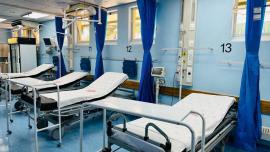
National Health Insurance: All you need to know
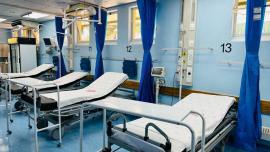
On 12 June 2023, the National Assembly (NA) passed the National Health Insurance (NHI) Bill.
The NHI Bill seeks to provide universal access to health care services in the country in accordance with the National Health Insurance White Paper and the Constitution of South Africa.
The Bill envisages the establishment of a National Health Insurance Fund and sets out its powers, functions and governance structures. The fund will purchase health care services for all users who are registered with it.
The Bill will also create mechanisms for the equitable, effective and efficient utilisation of the resources of the fund to meet the health needs of users and preclude or limit undesirable, unethical and unlawful practices in relation to the fund. It further seeks to address barriers to access.
The NHI Bill was initially tabled in Parliament and introduced to the Portfolio Committee on Health on 8 August 2019 for processing.
Here are a few frequently asked questions about the NHI.
What is the NHI and how will it change the system?
- The NHI is a Fund, paid by our taxes, from which the government will buy health care services for all of us who live in the country from health care providers in the public sector and private sector.
- This means when you feel unwell, you can go to your nearest GP or clinic of your choice that has a contract with NHI and not worry about the cost of care.
Why do we need NHI? What are the benefits of NHI?
- Providing health care for all: South Africa is a member of the United Nations community and we have committed that we will implement universal health coverage for all. We believe access to healthcare is a fundamental right for all. The government has the legislative mandate to realize this right. And the government has the responsibility to implement universal health coverage to ensure that all people are able to access health care when and where they need it without suffering financial hardship.
- Improving quality of services: The public sector has constraint budgets that are not sufficient to provide health care services for the 84% of the population that relies on public sector for health care. This results in an overburdened public sector that is characterised by underservicing. The private sector, that serves 14% of the population, is characterised by rising costs of care and overservicing without demonstrating much improvement on health outcomes. Both sectors need a reform to ensure that quality of health is improved. The pooling of funds into one fund will improve quality of services and therefore improve health outcomes.
- Reducing burden of disease: Extending health coverage for all South Africans will improve access to care, quality of care and continuity of care. NHI reforms will contribute to the health system having a co-ordinated and well-structured response to burden of disease.
- Financial risk protection: The NHI Fund will protect individuals from financial hardship when they need to access healthcare services. Financial hardships take place when you need to pay out-of-pocket payments such as user fees at facilities and co-payments for individuals insured by medical schemes. Contribution to the Fund will be through prepayment methods such as taxes. Services will be paid for by the Fund and the patient will not have to pay at the point of care.
- Economic development and growth: A healthy population can work more effectively and efficiently and contributes to economic growth. A productive workforce contributes to the economy through growth of local business, attracting foreign investors and growing the domestic economy. An investment in health is an important safety net against poverty by providing financial protection for everyone.
- Integration of the healthcare system: The fragmented, two-tiered system undermines principles of equity and social solidarity and leads to a health system where resources are distributed unfairly. The NHI will promote equitable access to care, and this will be achieved by cross-subsidisation among the population. The NHI fosters social cohesion and contributes to developing a society that is compassionate across all socio-economic groups.
What is the significance of passing the Bill?
- Government considers the passing of the NHI Bill by the National Assembly as a key milestone to ensuring all people in SA have access to a clinic, a doctor or a hospital (public or private) closer to where they live or work without paying when they need the services. We will have paid in taxes already so the government will pay the provider of your care for you and your loved ones. There will be no gap cover for you to fund and no cash out of pocket payments.
- Government recognises the efforts by all stakeholders which exercised their constitutional rights to participate in legislative processes to influence decision-making process of the NHI Bill.
- The Department will remain available and accessible at all times to clarify any ambiguities and public concerns about the Bill and its objectives.
Who will be covered under the NHI Fund?
- The fund will purchase services on behalf of SA citizens, permanent residents, refugees, inmates and specific categories of foreign nationals.
- Asylum seekers and illegal foreigners will be covered for notifiable conditions and emergency medical services.
- All children will be covered for all benefits purchased by the fund regardless of nationality.
- Visiting foreign nationals will be covered by their mandatory travel insurance.
Will unemployed people be able to access health care services?
- Yes. The NHI Fund will purchase services on behalf of all South Africans. All users will be able to access health care services without paying anything at the point of care, regardless of their socioeconomic status.
How much will it cost to receive services at a clinic, GP or hospital?
- The NHI Fund will pay the clinic, GP or hospital. You will not pay anything when receiving care.
- This is to make sure that everyone is able to receive health care services when they are sick, at a facility close to them (as long as the facility has a contract with the NHI Fund).
How can I register and what do I need for registration?
- You will register with the NHI Fund when you go to a clinic, GP or hospital that has a contract with the NHI for the first time. You will not need to register again when you go to any other clinic, GP or hospital because the NHI system will make sure that your records are available at every contracted health care provider.
- There is no fee payable for registration. This will be a similar process that you currently do each time to you go to a clinic, GP or hospital.
- You will need your ID book, passport, or other identity document to register. Your fingerprints will be taken and put on the NHI Fund system. This will make it easy when you visit the clinic, GP or hospital again, or when your ID is lost. Fingerprints are a way to prevent fraud and identity theft but mostly to be absolutely sure that the medicines that you are given are for you and not someone else.
- Each time you attend a clinic, GP or hospital you will need to present your proof of identity. If you are unconscious, then the provider can still find your records using your fingerprints.
Will individuals be able to use facilities of their choice?
- Yes. The NHI aims to make health care more accessible to all South Africans. Individuals will be able to access NHI-contracted GPs, clinics or hospitals closest to them, whether in the public or private sectors.
How will South Africans who do not have IDs be helped?
- Biometric identification will be used in facilities under the NHI reform. This is to ensure that all users have a portable health record that can be accessed under all circumstances anywhere in the country.
- The department of Health has a collaboration with Department of Home Affairs to address birth and death records.
- This collaboration helped many undocumented South Africans to access COVID-19 vaccinations during the COVID-19 pandemic.
What services will be provided under NHI?
- NHI will purchase comprehensive personal health service benefits from NHI-contracted public and private health facilities.
- The service benefits include services provided at primary, secondary, tertiary, specialized and quaternary levels.
- Once the NHI Fund covers a benefit the medical schemes may not cover the same benefits.
- The Benefits Advisory Committee will determine which benefits are medically necessary benefits and this will include:
- Primary Health Care services: visits to clinics, community health centres and accredited multi-disciplinary group practices and centres at a non-specialist level, community health care outreach workers, integrated school health services,
- Hospital services: outpatient and in-patient visits at all accredited hospital levels, using a referral system (requiring a letter from a PHC centre/ provider unless in case of emergency)
- Rehabilitation health services
- Palliative Care
- Mental health services
- Emergency medical services
- Transportation for patients who are referred to and from another health facility.
- Medicines and medical devices specified on the Essential Medicine List and Essential Equipment List.
- Diagnostic procedures specified in the Treatment Guidelines and protocols.
Will the NHI provide adequate cover compared to current medical scheme benefits?
- Yes, the NHI benefit package will be comprehensive. It is important to bear in mind that the NHI benefits are not confined like most current medical scheme benefits. In the present system of medical schemes, in a desperate attempt to contain the escalating prices, a lot of benefits have been reduced. Furthermore, the system is characterized by co-payments for costs which the medical scheme is not prepared to pay for because they are regarded as too expensive, and the cost is simply pushed back to the patient. Service providers like private hospitals and specialists then resort to sending individual patients legal letters of demand to pay what their medical schemes are refusing to pay.
- The Council of Medical Schemes (CMS), a Statutory Body established to regulate medical schemes, in trying to protect consumers, came up with a system of what is called prescribed minimum benefits (PMB’s). This is a group of 26 chronic conditions and 271 medical conditions which by instructions of CMS, medical aids need to pay for in full. Not all diseases are included in this group leaving their sufferers to pay out of pocket whilst contributing to a medical scheme.
- Under NHI, this problem will not exist since NHI has no intention to choose between diseases in order to remain sustainable. The range of cover of benefits will be much better than under the current system.
Where will the funding for NHI come from?
- National Treasury will determine the sources of funding for NHI and be approved by Cabinet. Treasury will also determine when any dedicated NHI contributions are introduced or changed in line with the fiscal and economic environment.
- NHI will be funded through a mandatory pre-payment system and other forms of taxes collected by SARS and allocated to the Fund by Parliament.
- Based on the NHI Bill, NHI will be predominantly funded through general revenue allocations, supplemented by: (1) a payroll tax payable by employers and employees and (2) a surcharge on individuals’ taxable income.
- The financial impact of the NHI taxation system must not create an increased burden on households compared to the current system. There will be no option for opting out of NHI for eligible people.
- Out-of-pocket payments such as co-payments and user fees will not be used to generate additional funding for comprehensive health care services to be covered under NHI. This ensures that healthcare services are delivered free of charge at the point of service and that the most vulnerable are not denied access.
Is NHI an affordable system?
- Yes. The World Health Organization has stated that countries must pursue universal health coverage with the current resources allocated for health and what countries are able to afford.
- As a nation we spend huge amounts of money for health care for very few people and very little on the majority. Our total spending on health care is far more than any country of similar size and economic activity to ours. We need to spend more efficiently.
- The NHI will redistribute money from the current multi-payer system of nine provincial health systems, tax rebates, levies, conditional grants and consolidate into one Fund. The pooling into one risk pool will ensure appropriate cross-subsidization between the young and old, rich and poor, healthy and unhealthy.
- The Fund as a single payer and strategic purchaser, will be able to negotiate prices for services and health products on behalf of the country.
- Through the elimination of waste and corruption in both sectors by simplifying the way we work and the use of all public and private health care provider capacity for everyone, health care can be delivered at a cost-effective price.
Who will run the Fund?
- The Fund will have a Board and various governance structures as required by the Public Finance Management Act (PFMA) and the principles contained in King IV’s Report on Corporate Governance. The Board will have the responsibility of ensuring that there are institutionalised systems, policies and procedures that proactively prevent, detect, investigate and correct incidents/acts of fraud and corruption.
What is being done to improve the infrastructure of public sector facilities?
There are initiatives underway to improve the conditions of public facilities. The Department of Health has allocated R7.2 billion over three years to facilitate maintenance, refurbishment, upgrades, replacements of infrastructure or new infrastructure.
Will the NHI destroy the private sector?
- No, the NHI will not destroy the private sector. The private sector has different role players, and they are: 1. health care providers (like GPs, specialists, pharmacies and hospitals); 2. suppliers of goods (heath products like medicines, devices and diagnostic devices); 3. funders (medical schemes) and 4. administrators. They have different roles to play in the NHI and they are described below.
What role do private health care providers play in the NHI?
- Private health care providers will continue to operate privately under the NHI dispensation. Contrary to some public narrative, the NHI is not going to abolish or do away with private health providers.
- NHI will not allow health care providers to set their own fees for NHI funded benefits. The Fund will set the fees that it will pay to private doctors, hospitals and others on your behalf.
- Private General Practitioners will be a part of multi-disciplinary networks in their communities and will be paid by the NHI Fund using a capitation model.
- The private health sector providers will benefit from the opportunity to contract with NHI to provide health services to the broader public, rather than the small proportion for which they currently provide services. They will be able to provide services to patients throughout the year not worried about depletion of funds of patients at any stage.
- Private hospitals will see patients referred by primary health care providers in both public and private sectors and the NHI Fund will settle the bill at the prescribed rates.
How will the NHI Fund procure health products?
- Suppliers of health products will remain private companies. The NHI Fund will determine the range of products (medicines, devices, etc) that are required to deliver the benefits that the Fund is paying for at any point in time and will set prices for those products that any contracted provider will pay to the suppliers. The large volumes create certainty for suppliers and help to reduce prices.
What role do medical schemes play in the NHI?
- The business models of private funders and their administrators will change over time. Once the NHI Fund covers a benefit, the medical schemes may not cover the same benefits. This means that their membership fees must be reduced, and some will be too small to survive so they will consolidate with others to maintain a viable risk pool for the benefits that they may still cover. Administrators of medical schemes will no longer manage over 250 options, meaning the complexity of their services will be greatly reduced.
Will NHI take the reserves of medical schemes?
- No, the Fund will not take the accumulated reserves of medical schemes since those belong to the members and not the schemes.
What if I want to contribute to a medical scheme?
- Once implemented, medical aid schemes won’t be able to offer any health services already offered by the NHI.
- Medical schemes will only offer you extra services not covered by the NHI.
- The NHI will offer comprehensive health care service cover – there will be no co-payments.
- Medical Aid schemes will remain a voluntary arrangement for those who choose to contribute to them, but they will only cover you for any additional benefits that the NHI Fund does not pay for, so they should be significantly cheaper.
How does the NHI affect those who are currently insured by medical schemes?
- The Fund will be implemented over phases and over many years. Regulations will be published to address the phased implementation of the NHI Fund and phased implementation of service benefits as the money is moved to the Fund. Medical schemes will be given notice on the type of services that they will no longer be able to cover.
How can I qualify to be an accredited health care provider under the NHI?
- Every health care provider may be contracted by the NHI Fund. This will be initiated by the provider and once the provider meets the accreditation requirements they will be contracted. There will be no tenders for services.
- Every health care provider (public and private) must be certified by the Office of Health Standards Compliance.
- It will take some time for all health care providers to obtain certification, so the law makes provision for a transitional period of conditional accreditation by the Fund. The tools for health care provider compliance have been developed but NHI Fund accreditation and contracting requirements are still being developed.
- The health care provider must agree to, and comply with, the requirements of the NHI Fund to be accredited and contracted with the Fund. This includes connection to the Fund digital systems and reporting.
- A primary health care provider will be assigned a designated population that will be under their care and will be paid on a capitation basis. The details are being developed and will include a performance-based portion.
Is the function of accreditation by the NHI Fund substituting function of OHSC, HPCSA, SANC and other health professional regulatory bodies?
- No. The Office of Health Standards and Compliance (OHSC) primary responsibility is quality assurance. The role of the OHSC is to inspect and certify health establishments as compliant or non-compliant with prescribed norms and standards for a health establishment. All health facilities must be certified by the OHSC to be considered for accreditation by the NHI.
- The health professional regulatory bodies such as HPCSA and SANC are statutory bodies which regulate the registered professionals with the councils. All health professionals offering services in South Africa must be registered with the relevant professional bodies and comply with the rules and regulations and requirements of continuous professional development of the various bodies.
- The NHI will require both certification as part of the application for accreditation.
What are the requirements for accreditation with the NHI Fund?
- Accreditation with the NHI Fund will require that the provider must:
- Be registered with a recognised statutory health professional council.
- Be in possession of proof of certification by OHSC.
- Meet the needs of users and ensure service provider compliance with the Fund’s prescribed specific performance criteria, accompanied by a budget impact analysis, including the: provision of the specified minimum required range of personal health services; allocation of the appropriate number and mix of health care professionals in accordance with guidelines; adherence to treatment protocols and guidelines, including prescribing medicines and procuring health products from the Formulary; adherence to health care referral pathways; submission of information to the national health information system to ensure portability and continuity of health care services, and adherence to the national pricing regimen for services delivered.
Will private health care providers be forced to contract with NHI?
Not at all. Contracting with the NHI Fund gives the health care provider an opportunity to offer health care services to a designated population (significantly more patients than currently). The provider will not have to worry about the patients’ affordability as the Fund would have paid a capitation fee for the designated population. Patients who consult with providers who are not contracted with NHI will pay cash for the providers’ services. Patients will only be able to use their medical schemes to pay for benefits not covered by the Fund with non-NHI contracted providers.
What will happen in the first few years of NHI implementation?
The transitional arrangements for the NHI for the period 2023-2026 include:
- Continuing with the health system strengthening initiatives including human resource planning.
- Development of NHI legislation and amendments to other legislation.
- Establishing institutions that must be the foundation for a fully functional Fund.
- Purchasing of personal health care services for vulnerable groups such as children, women, people with disabilities and the elderly.
- Establishment of the Fund as a Schedule 3A entity as contemplated.
How will corruption be prevented?
- The Fund will have a Board and various governance structures as required by the PFMA and King IV that will have the responsibility of ensuring that there are institutionalised systems, policies and procedures that proactively prevent, detect, investigate and correct incidents/acts of fraud and corruption.
- The Fund is required by law to establish and operate units that focus on fraud prevention, detection, investigation and correction of fraud and corruption.
- All employees of the NHI Fund will be responsible for preventing and detecting fraud in the execution of their assigned roles and responsibilities.
- The department, in collaboration with the Health Sector Anti-Corruption Forum (HSACF) and the Special Investigating Unit (SIU), is currently engaged in a process of risk identification, analysis and mitigation of all fraud and corruption risks that may affect the Fund.
- Control measures and mitigating strategies are currently being implemented in the design and development process of the NHI Fund.
- The public will have opportunity to anonymously report corrupt activities to law enforcement agencies and the HSACF which has been established by the President.
- The design of the NHI is far less complicated than the present myriad of departments and medical schemes. Everything that the fund does, all the contracts with providers and suppliers, and the common set of funded benefits, will be fully transparent. Since every person will be entitled to the same benefits and treated the same way, there is far less incentive for fraud and corruption.

No sensitive information taken during NPA offices break in

The National Prosecuting Authority (NPA) has moved to assure the country that no sensitive information, dockets or files were taken during a break in at the Director of Public Prosecution’s office in the Free State.
According to NPA Northern Cape regional spokesperson, Mojalefa Senokoatsane, the break-in occurred during the early hours of Monday morning at the prosecutorial body’s Bloemfontein office.
“These criminals managed to break into the Office of the DPP, offices of Deputy Directors of Public Prosecutions (DDPP), the office of the PA (Personal Assistant) in the office of the DPP, as well as other offices of the other PA within the Office of the DPP. One [thing] the NPA can confirm is that during this break-in, four laptops and voice recorders were taken.
“Even though these criminals managed to break into this Central Nerve of Prosecutions in the province, the citizenry of the Republic and the Free State Province can rest assured that no sensitive information, dockets or files were taken, as they are not stored in these offices but have a secure area where they are safely secured and kept safe,” he said.
Senokoatsane emphasised that the break-in will not discourage the NPA from doing its work.
“The National Prosecuting Authority, even though shocked, disturbed, and disdained by these cowardly acts, will not be discouraged to continue prosecuting all cases without fear, favour, or prejudice.
“The security at the NPA Offices is taken seriously as these offices always have 24-hour security warm bodies, seven days a week. This break-in, which is an isolated case, does not render the security at these important prosecutorial offices as not being taken seriously,” he said.
A case has been opened with the South African Police Service.
“The Office of the Director of Public Prosecutions in the Free State would like to send a heartfelt appreciation to the South African Police Service, who promptly reacted to this emergency state and began their investigations.
“The crime scene was closed off and specialised units of the SAPS including the Forensic, Intelligence, and Investigations were on the scene in no time, DNA and fingerprints were collected at the scene and sent to the SAPS Forensic Laboratory.
“Investigations that are led by the South African Police Service are continuing in this matter. Members of the community who might have information regarding this matter are encouraged to provide the information to their nearest police stations or HAWKS Offices in Bloemfontein,” Senokoatsane concluded.

19 locals evacuated from Gaza now en route to S Africa

Nineteen South Africans who had been stuck in war-hit Gaza are en route home to South Africa.
This as hostilities continue between Israel and Palestine.
The six males and 13 females, who were in Gaza since 7 October 2023, have now arrived safely in Cairo and are en route to South Africa, said the Department of International Relations and Cooperation (DIRCO) on Monday.
The South Africans were approved for evacuation into Egypt by the Israeli authorities on Sunday, 11 November 2023.
“South Africa extends its gratitude to the government of Egypt for granting the evacuated foreign nationals safe passage through the Rafah Crossing into its country.”
Meanwhile, the department said the Israeli government has indicated that it intends to extend its attack on the people of Gaza.
“The statements from Israeli leaders appear impervious to the global calls for an immediate end to the killing of Palestinian civilians.
“South Africa calls for an immediate and permanent ceasefire and the resumption of talks that will end the violence arising from the continued belligerent occupation and lays the basis for a just and lasting solution,” the department added.
Home Affairs Minister welcomes BMA’s sting operation at Beitbridge

Home Affairs Minister, Dr Aaron Motsoaledi, has welcomed the commendable management of South Africa’s borders by the Border Management Authority (BMA).
This follows a successful sting operation at the Beitbridge port of entry on Saturday.
The BMA border guards, the Counter Corruption and Security Services Branch of the Department of Home Affairs (DHA) and members of the South African Police Service (SAPS) conducted a sting operation at the port of entry wherein 42 buses from Zimbabwe were stopped and searched.
During the search, 443 unaccompanied minors under the age of eight were found in the buses being brought into South Africa with no consent of parents or guardians.
“The hard work of the Border Management Authority is commendable, showing we’re pulling out all stops to prevent acts of crime and illegal entry into the country. Clearly the BMA is hard at work and is making inroads in effective border law enforcement,” Minister Motsoaledi said in a statement.
All persons in the 42 buses were refused entry into South Africa, and after engaging with the Zimbabwean Authorities, they were all taken back to Zimbabwe, including the children.
All the children who were found, were handed over to the Zimbabwean authorities for processing.
“We condemn in the strongest possible terms these acts of criminality especially where the interest of the child is at stake. It’s unacceptable that these minors were not with their parents or guardians throughout this ordeal.
“Protecting children, especially in this period of the 16 Days of Activism for No Violence against Women and Children Campaign, is paramount,” Minister Motsoaledi said.
In the same night, 150 adult Zimbabwean nationals were also apprehended and prevented from entering the country.
“The BMA, Home Affairs officials and members of the SAPS are on the ground establishing all relevant details of the incident,” BMA Commissioner, Dr Mike Masiapato said.
“Further work is being done and will continue to be done to ensure detection of all perpetrators in order to bring all of them to book,” he said.
“The entire episode at Beitbridge shows great achievements of the BMA and in a very short space of time. It’s a good sign in tackling sharply the outcry on porous borders.
“We’ll continue relentlessly to act swiftly in enforcing immigration and other laws in the interest of national security and safety of all persons in the country, especially during this peak period, the festive season, and beyond,” Minister Motsoaledi said.