
Gyms, museums, cinemas to close until 11 July

Cinemas, museums, gyms and galleries are among industries that will have to shut down until 11 July as the country enters 14 days of Adjusted Alert Level 4 Lockdown regulations.
This much is confirmed in a Government Gazette signed by Cooperative Governance and Traditional Affairs Minister Nkosazana Dlamini-Zuma.
Gatherings at cinemas, theatres, gyms, fitness centres, conferencing, exhibitions and entertainment centres will not be operational during this period. After 11 July, the provision will be reviewed.
Above this, gatherings at beaches, parks and dams will also be prohibited during this period.
While restaurants, hotels, lodges, bed and breakfasts, timeshare facilities, resorts and guest houses would operate, they would also do so at 50% capacity of the available rooms for accommodation. Patrons, read the regulations, are expected to observe distances of at least 1.5 metres from each other when in common spaces.
“Restaurants and other in-house dining facilities may only operate for off-sale consumption of food and non-alcoholic beverages,” read the regulations.
Owners and managers of establishments listed in the regulations are urged to ensure compliance.
Failure to do so, the regulations state, “commits an offence and is, on conviction, liable to a fine or imprisonment for a period not exceeding six months or to both such fine and imprisonment”.
“Any person who attends an establishment for in-house services, and who knows or ought to have known or suspected such attendance is prohibited, commits an offence and is, on conviction, liable to a fine or imprisonment for a period not exceeding six months or to both.”
ECDs to remain open under Adjusted Alert Level 4

While schools and institutions of higher learning are expected to close this week as the part of government’s measures to curb the rapid spread of COVID-19 infections in the third wave, early childhood development centres will remain open.
This was confirmed by Cooperative Governance and Traditional Affairs Minister Nkosazana Dlamini-Zuma in the Government Gazette published on Monday.
This comes after President Cyril Ramaphosa on Sunday announced that Cabinet had decided to place the country under Adjusted Alert Level 4 for two weeks amid a recent surge in infections.
From 30 June, schools and institutions of higher education will be closed for contact classes, state the regulations.
“The Cabinet member responsible for basic education may by direction contemplated in regulation 4(3), determine the dates on which schools, as defined in the South African Schools Ac, 1996 (Act No. 84 of 1996), will be reopened and any matter related to the management of schools in the basic education sector, to address, prevent and combat the spread of COVID-19 in all schools.”
Higher Education Minister Blade Nzimande is expected to determine the same in the sector.
Measures to mitigate spread of COVID-19 in correctional services continues
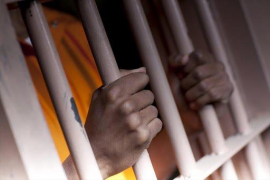
The Department of Correctional Services (DCS) says it continues to implement measures to mitigate against the spread of COVID-19, in an effort to protect officials, inmates and the general public.
As part of implementing preventative measures and adhering to all regulations to curb the spread of infections, the department said visits to all correctional and remand detention centres across the country, has been suspended.
In a statement, Justice and Correctional Services Minister Ronald Lamola, reported that the vaccination rollout is also progressing, with healthcare workers, including officials and inmates aged 60 and above registered and receiving COVID-19 vaccines.
The rollout is monitored through the department’s Vaccination Rollout Coordinating Committee, which comprises healthcare officials from head office and all regions.
“As of 24 June 2021, 797 healthcare professionals, amounting to 77.9% of the total Correctional Services healthcare workers, had already received their vaccines. Ninety officials as well as 537 inmates aged over 60, also received their first doses of the Pfizer vaccine,” Lamola said.
He said other inmates and officials will receive vaccines during the next phases.
The Minister added that the department remains committed to ensuring that inmates receive their COVID-19 vaccinations in order to achieve population immunity in correctional facilities.
“We continue to implement and adhere to protocols, in line with the DCS Standard Operating Procedures for the Preparedness, Detection and Response to COVID-19. As of 24 June, DCS had a total of 322 [including] 282 officials and 40 inmates’ active cases which translates to 0.61% of officials and 0.03 % of inmates.
“The cumulative total of positive cases to date amounts to 12 345 (7 820 officials and 4 525 inmates). The number of recoveries amount to 11 761, which translates to a recovery rate of 95.27%. Deaths amount to 260 (182 officials and 78 inmates),” Lamola said.
Ninety sites approved for vaccination
Lamola said the department is ready for the rollout of the next phase of vaccinations, with 90 sites approved for vaccination.
He said this will enable vaccination of the 138 828 inmates currently incarcerated.
Officials and inmates are being reached through awareness campaigns on the importance of vaccination throughout all regions.
“It is important for inmates to get vaccinated, as this is in line with the Nelson Mandela Rules which clearly stipulate that inmates should enjoy the same standards of healthcare available in the community. Inmates are also vulnerable to infection, and their vaccination will ensure protection of both correctional officials and the general public,” Lamola emphasised.
The Minister said the department will also continue to implement preventative measures, including screening officials, inmates, essential workers and service providers accessing facilities.
He said new admissions are screened and quarantined, should they show any symptoms and they are monitored and admitted for quarantine purposes.
“Contact tracing for all confirmed cases, including officials and inmates, is carried out. All close contacts are quarantined and monitored for symptoms, then tested as per Department of Health guidelines.
“All correctional centres have Personal Protective Equipment (PPEs). Inmates have also contributed to this by producing some of the PPEs, including facemasks totalling 550 103, as well as sanitizer stands,” Lamola said.
122 more people die due to COVID-19
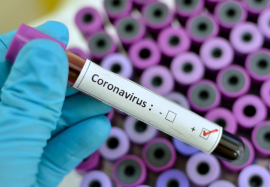
South Africa’s COVID-19 cases continue to rise as the country moves to Adjusted Alert Level 4, with 15 036 infections logged on Sunday.
The National Institute for Communicable Diseases (NICD) said the new cases are from the 55 920 tests conducted in the last 24 hours, representing a 26.9 % positivity rate.
Gauteng province accounts for the majority of new cases (66%), followed by the Western Cape (9%).
Meanwhile, 122 more people lost their lives to COVID-19 complications, pushing the death toll to 59 900.
According to the public health institute, the country had an additional 361 hospital admissions.
This means 11 413 patients are currently receiving treatment in hospitals across South Africa.
In addition, the recovery rate has dropped below 90% and now stands at 88.7%.
On Sunday, 1 343 people received their COVID-19 vaccine, pushing the total to 2 205 228.
Over 185 000 educators, staff vaccinated

More than 185 000 educators and staff have been vaccinated in the basic education sector, as the sector continues the COVID-19 vaccine rollout.
In a statement on Sunday, the Department of Basic Education said 30 000 teachers and support staff in Limpopo, were vaccinated on Friday and Saturday.
“The province has managed to administer the vaccine on 15 000 people in two successive days. At this rate Limpopo needs one more day to complete vaccinating everybody in the list,” the department said.
The sector targets to vaccinate 582 000 people by 8 July 2021, with eight provinces to continue with the vaccine rollout on Monday to Friday.
Basic Education Minister Angie Motshekga is expected to join Free State Education MEC Tate Makgoe on Monday, as the sector continues to get more people vaccinated against COVID-19.
“The monitoring visits will start at the Seemahale Secondary School in Botshabelo and continue at Pontsheng Primary School, as well as Mpatleng Senior Secondary.
“The Minister will proceed to the Northern Cape on Tuesday. Minister Motshekga is scheduled to be in the Eastern Cape on Thursday this week,” the department said.
The visits are aimed at encouraging more people to get the vaccine.
The department said it is satisfied with the turnout thus far, and remains hopeful that the target will be met as scheduled.
Gauteng COVID-19 spike to spread to the rest of SA: Kubayi-Ngubane

The COVID-19 third wave, which is driven by Gauteng, will spread to other provinces.
This is the warning that was issued by the acting Health Minister, Mmamoloko Kubayi-Ngubane, who was addressing the media on Friday.
“There should be no sense of complacency in other provinces which are all demonstrating upward trajectories and the wave in Gauteng will inevitably spill over into the rest of the country.”
Gauteng remains the epicentre of the pandemic and accounts for the majority of 9 521 new cases (59%) reported on Thursday, followed by 1 912 in the Western Cape (12%).
“I wish to open this press briefing first by acknowledging the grave situation we find ourselves in as a country, as we battle a third wave of the COVID-19 pandemic,” she said.
Kubayi-Ngubane, Public Service and Administration Minister Senzo Mchunu and a panel of experts were briefing the media on efforts in the fight against COVID-19, including an update on the national vaccination rollout programme.
Meanwhile, the acting Minister said the seven-day moving average graph shows that in Gauteng, the current wave has passed the first two that the country faced.
On Thursday, Gauteng Premier David Makhura said one in three people in the province who go for a COVID-19 test is “likely” to have the virus.
Interventions
In the meantime, the acting Minister said the National Department of Health has activated its surge response, which is executed together with the World Health Organisation (WHO) Surge Team deployed in the country.
The department has also employed 10 intervention areas that provinces must adopt to aid in the resurgence preparations and response.
These include governance and leadership, medical supplies, port and environmental health, epidemiology, facility readiness, case management, risk communication and community engagement, occupational health and safety, infection prevention and control, and human resources.
Also, the department will continue to monitor daily infections, hospital admissions, mortality rate, oxygen availability, personal protective equipment (PPE) availability and medicine supply.
“Where there are challenges, we alert the province to the impending risk and encourage them to address the matter,” she said.
“Yesterday, we had a meeting with Gauteng to confront the pressure they are facing with this wave and comprehensively deal with the drivers of this current wave, strategic case management and effective containment measures.”
She said she will be meeting with Ministerial Advisory Committee (MAC) on COVID-19 on Saturday about issues that need critical and urgent intervention.
Deputy Director-General for Health, Dr Anban Pillay and a representative from Gauteng will join the acting Minister and they will present a detailed report on how the National and Provincial Departments of Health are implementing the surge response strategies.
“It is important to continue to emphasise not only the wearing of the mask all the time in public but wearing the mask correctly,” she stressed.
Healthcare workers
Meanwhile, Kubayi-Ngubane also took the time to pay tribute to the medical practitioners who continue to treat the COVID-19 ill patients.
“Allow me to express my deep appreciation to the frontline healthcare workers who continue to fight, wave after wave, for our people.”
She said it gives her comfort to know that health workers are protected, as the vast majority of them have been vaccinated and that the department has adequate PPE stock.
“I am certain that at this point, our healthcare workers are tapping into the most profound depths of strength, resilience and compassion – despite being exhausted and mentally drained by a 15-month long war,” she said.
“We celebrate our heroes and dip our banners to those that fell in the line of duty.”
COVID vaccination for those aged 50 and above to start on 15 July
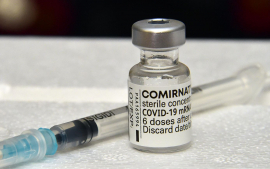
Acting Health Minister, Mmamoloko Kubayi-Ngubane, has announced that those aged 50 and above will get the chance to receive their COVID-19 vaccines from 15 July 2021.
The Acting Minister announced this on Friday, following approval by the Inter-Ministerial Committee (IMC) on Vaccines.
Registration will open from 1 July. The Minister also encouraged those aged 60 and above to still sign up for their jabs.
“If you have a friend, family member, neighbour or loved one who is 60 years and above and is yet to vaccinate or register, please bring them along.”
Kubayi-Ngubane, Public Service and Administration Minister Senzo Mchunu and a panel of experts were briefing the media on efforts in the fight against COVID-19, including an update on the national vaccination rollout programme.
Arrival of more vaccines
Meanwhile, she told journalists that government is expecting more vials of vaccines to arrive in South Africa.
Pfizer has since committed to delivering over 15.5 million doses in the third quarter, of which 2.1 million are expected to land in the country in July.
Meanwhile, 1.2 million additional Johnson & Johnson (J&J) single-dose shots, which need to be used by 11 August, arrived in South Africa on Thursday night.
“We are awaiting confirmation for delivery of 500 000 doses, these expire later than the previous doses mentioned and this makes up the two million to replace those that were lost to the contamination incident.”
She said the country was currently running three parallel processes under phase two of the vaccination rollout plan, including the inoculation of the general population, priority services sector staffers and workplace vaccination in key economic sectors.
As more vaccines trickle in, the acting Minister said this would enable government to “press ahead” with the vaccination of frontline workers sector by sector.
The State would then move onto workplace vaccinations – both formal and informal sectors.
“We will take guidance from the Ministerial Advisory Committee on COVID-19 on which of these sectors to prioritise and move along until all work-based vaccinations are completed.”
Vaccines do work
The Acting Minister said preliminary study results show evidence of reduced moderate to severe illness and death in vaccinated healthcare workers.
The lead investigator in the Sisonke Study that saw almost close to 500 000 healthcare workers vaccinated, Professor Glenda Gray, announced last week that studies show a good immune response to the J&J single-dose COVID-19 vaccines.
“There is clear evidence that vaccines work. So far, there are no deaths recorded related to the vaccine itself,” said Kubayi-Ngubane.
While there were a few vaccine-induced thrombotic events, these were all detected and managed by expert clinicians.
“Overall, this study provides confidence that the vaccine confers high levels of protection to those who have been inoculated with it.”
She also touched on the United States Food and Drug Administration’s (FDA) plans to add a warning about rare heart inflammation in younger men to Pfizer and Moderna vaccines.
“These events are rare. I have been reassured by our experts that the vast majority, if not all cases, that have been reported were mild with short hospital stays and that there have been no reports in South Africa,” she said, adding that the department will continue to monitor this closely.
“Pfizer is still considered safe and effective for all population groups above the age of 12 years.”
Meanwhile, she said she still believes that COVAX was still a useful facility for low- and middle-income countries to acquire the much-needed vaccines.
“For South Africa, we will continue to ensure that we get the best out of COVAX, however, we have adopted a diversified approach to procuring vaccines so that we do not put our eggs in one basket as we have been falsely accused.”
SARS closes tax branches amid COVID-19 surge

Owing to the soaring COVID-19 infections currently sweeping the country, the South African Revenue Service (SARS) has announced the temporary closure of tax branches from physical visits as from 1 July.
This comes as the country’s seven-day moving average of positive COVID-19 infections surpassed 12 000 cases. On Wednesday alone, 17 493 infections and 166 deaths were recorded.
In terms of the Disaster Management Act, the South African Revenue Service (SARS) remains an essential service.
“We have always stressed the importance of balancing the continuity of this service with the risk of transmission.
“With the rising case numbers and the onset of the third wave peak of the pandemic, we have decided to close our tax branches temporarily for physical visits as from 1 July.”
The revenue collector said it was able to embark on this measure as its digital platforms had demonstrated the ability to meet obligations efficiently online.
The temporary closure of the tax branches is not anticipated to affect the start of the Filing Season for individuals who traditionally file via eFiling or the SARS MobiApp. These taxpayers are encouraged to continue doing so digitally, starting from 1 July 2021.
SARS reiterated that branch filing would not commence on 1 July.
“At this stage, we plan to commence physical branch visits on 16 August, but will review this continuously. Taxpayers are advised not to come to a SARS branch. The branches will be closed until an announcement is made confirming the reopening date.
“During the branch closures, taxpayers who require assistance to file online will be assisted telephonically with the support of dedicated SARS staff,” said SARS.
All Customs Ports of Entry will be open for frontline customs operations, but not for face-to-face client engagement other than for clearance and inspection purposes.
In line with its commitment to modernise systems and make it easy for taxpayers to meet their tax obligations, SARS said it would continue to use technology to ensure continued service to taxpayers in a manner that ensures both the safety of employees as well as taxpayers.
Members of the public can make bookings for virtual appointments via the SARS website on: https://www.sars.gov.za/contact-us/make-an-appointment/; and sending an SMS to 47277 with the word “Booking” and passport/ID number/Asylum permit number and a SARS agent will contact them to arrange a booking on their behalf.
During this period, the SARS Contact Centre (0800 00 7277) will continue to service any queries from members of the public.
“SARS will continue to monitor the evolving COVID-19 pandemic and keep all South African taxpayers informed of any changes to these arrangements.”
SA records 16 078 new COVID-19 cases, 148 deaths
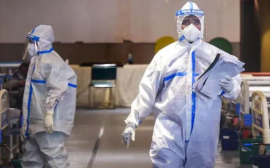
South Africa’s COVID-19 cases continue to rise, with 16 078 new infections reported on Thursday, according to the National Institute for Communicable Diseases (NICD).
Gauteng remains the epicentre, accounting for the majority of 9 521 new cases (59%), followed by 1 912 in the Western Cape (12%).
According to the public health institution, this surge represents a 24.5% positivity rate, pushing the country’s caseload to 1 877 143.
To date, 59 406 have lost their lives to COVID-19 after 148 more fatalities were recorded.
“An increase of 607 hospital admissions have been reported in the past 24 hours,” said the NICD.
This means there are now 10 736 ill patients receiving treatment in hospitals for Coronavirus across the country out of the 141 910 people who are currently infected.
According to the NICD, of these 7 100 are admitted at private health institutions.
The information is based on the 12 769 052 test of which 65 631 were conducted the previous day.
In addition, 115 016 COVID-19 jabs were administered in the last 24 hours, bringing the total to 2 550 248.
According to the World Health Organisation, there are now 179 241 734 confirmed global cases of COVID-19, 3 889 723 deaths and 2 624 733 776 administered jabs.
Gauteng steps up vaccination rollout programme
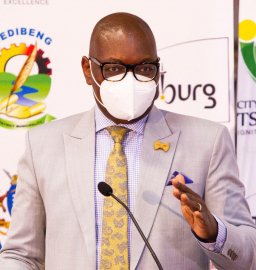
Gauteng Premier David Makhura has affirmed that the province is stepping up its vaccination rollout programme.
“We urge more residents, who are 60 years and older, to register for vaccination. The more people who get vaccinated for COVID-19, the more we will get closer to the end of the pandemic,” Makhura said.
Addressing media in Johannesburg on Thursday, Makhura said the provincial leadership has reiterated calls for stricter, targeted and localised restrictions for the next two weeks.
Makhura said in anticipation of more people getting infected and who will need to be hospitalised, the provincial government has taken a decision to reopen some completed sections at Charlotte Maxeke Johannesburg Academic Hospital, which was recently damaged by fire.
“Even though the work is not yet complete in some sections, we took the decision to reopen completed sections,” Makhura said.
To ensure that citizens adhere to COVID-19 regulations, the province is going to ensure greater visibility of law enforcement.
“We really have to clamp down on those who disregard the regulations,” Makhura said, adding that the province is going to ramp-up testing, contact tracing and tracking.
More community healthcare workers, the Premier said, will reach out to communities.
“Vaccination is going to be the pillar of fighting COVID-19. I am confident that we are going to get over the third wave,” Makhura said.
Makhura appealed to people to rethink their movements and only leave their homes when necessary.
He urged for the continued use of face masks in public spaces.
Keeping an eye on schools
The Premier assured that the provincial government is closely monitoring schools.
In the past week, 20 schools were closed down due to COVID-19 cases.
Makhura said over 10 000 educators have been vaccinated, with plans to open up more sites for vaccination.
According to Makhura, a total of 584 458 people have been vaccinated in the province since the start of the vaccination programme.
As at 23 June 2021, a total of 373 741 people who are 60 years and older have been vaccinated, which translates to 28% of the targeted population of 1 300 000.
Makhura said a total of 588 727 people in the province, who are over the age of 60 years, are registered on the Electronic Vaccination Data System (EVDS).
Makhura said since the start of the vaccination programme, 197 026 (92%) healthcare workers have been vaccinated in Gauteng.
According to Makhura, the province has 195 vaccination sites (which include 56 Johnson & Johnson sites dedicated for educators).
“All public vaccinations sites in Gauteng accept walk-ins of frontline workers and people 60 years and above, whether people are registered on the EVDS or not.
“All persons will be assisted with registration and will be vaccinated, even those who are registered and waiting for SMSes,” Makhura said.
Dr Mary Kawonga, chair of the Premier’s Advisory Council on COVID-19, in her presentation said tighter restrictions are needed to curb infections.
“The pandemic is real. There are things we can do to slow down the pandemic,” she said, further expressing concern on the increasing number of infections in the province due to behavioural factors.
Nomsa Mmope, Chief Operating Officer at the Department of Health, encouraged people who are 60 years and above to register for vaccination.
South Africa recorded the highest ever single-day spike on Wednesday, with 17 493 COVID-19 cases since the start of the third wave.
According to the National Institute for Communicable Diseases (NICD), of the latest infections, 10 806 were detected in Gauteng (62%), followed by 1 778 in the Western Cape (10%).