
Gyms, museums, cinemas to close until 11 July

Cinemas, museums, gyms and galleries are among industries that will have to shut down until 11 July as the country enters 14 days of Adjusted Alert Level 4 Lockdown regulations.
This much is confirmed in a Government Gazette signed by Cooperative Governance and Traditional Affairs Minister Nkosazana Dlamini-Zuma.
Gatherings at cinemas, theatres, gyms, fitness centres, conferencing, exhibitions and entertainment centres will not be operational during this period. After 11 July, the provision will be reviewed.
Above this, gatherings at beaches, parks and dams will also be prohibited during this period.
While restaurants, hotels, lodges, bed and breakfasts, timeshare facilities, resorts and guest houses would operate, they would also do so at 50% capacity of the available rooms for accommodation. Patrons, read the regulations, are expected to observe distances of at least 1.5 metres from each other when in common spaces.
“Restaurants and other in-house dining facilities may only operate for off-sale consumption of food and non-alcoholic beverages,” read the regulations.
Owners and managers of establishments listed in the regulations are urged to ensure compliance.
Failure to do so, the regulations state, “commits an offence and is, on conviction, liable to a fine or imprisonment for a period not exceeding six months or to both such fine and imprisonment”.
“Any person who attends an establishment for in-house services, and who knows or ought to have known or suspected such attendance is prohibited, commits an offence and is, on conviction, liable to a fine or imprisonment for a period not exceeding six months or to both.”
Hunt for KZN man who allegedly killed girlfriend

KwaZulu-Natal Social Development MEC Nonhlanhla Khoza has called on the police to urgently track down a man who allegedly locked his girlfriend in a shack and set it alight in Ixobho, southern KwaZulu-Natal.
According to reports, the man allegedly set alight the shack he was staying in with his girlfriend in Fairview informal settlement, after the couple had an altercation.
The woman was rescued by neighbours who heard her screams inside the burning shack.
The victim was rushed to hospital with serious burn injuries on her body and unfortunately all attempts by medical practitioners to save the victim’s life failed and she succumbed to her injuries.
The alleged perpetrator is still at large.
Khoza has condemned the incident and urged the police to work day and night to ensure that the alleged perpetrator involved in this horrible murder is found, so that he can face the law.
“He killed a human being in such a horrible manner and he should never be let off the hook,” Khoza said in a statement on Monday.
The MEC also called on the public to work closely with the police to trace the whereabouts of the alleged perpetrator, warning that “no one should relax while the province is faced by high incidents of gender-based violence (GBV)”.
“Our communities should work with the department to isolate all those involved in GBV. We cannot sit on our laurels while women and children suffer in the hands of criminals who once claimed they loved them,” Khoza said.
She added that GBV incidents are highly unacceptable and embarrassing to the nation, and such incidents have a negative impact on the gains of democracy in the province.
“Currently, we are responding to many cases of women and children murders in the province. This indicates that our people have lost Ubuntu.
“The other incident that happened in KwaNongoma where a pensioner and her grandchild were stabbed to death by criminals who wanted to rob them of grant money is very concerning. We have full confidence in our police that they will soon track down the perpetrator so that the law would take its course” the MEC said.
Khoza has sent her heartfelt condolences to the bereaved family of the victim.
“We know the pain the family is going through right now. We wish them strength during this difficult time.”
Tackling youth unemployment

As many young people continue to grapple with the rate of unemployment in the country, work is underway to turn the situation around.
Results of the Quarterly Labour Force Survey (QLFS) showed that South Africa’s unemployment stood at 32.6% in the first quarter of 2021. Unemployment among those aged 15-34 years stood at 46.3% and the rate was 9.3% among university graduates.
The country has long been facing the challenge of unemployment.
This is what informed the development of a National Youth Policy (NYP) 2020-2030, which was approved in October 2020, and unveiled in March this year.
The policy aims to strengthen youth development, both during and post the COVID-19 era. It also seeks to add to creative and innovative ways to address the high unemployment rate, which is also linked to mental health issues.
Established by the Department of Women, Youth and Persons with Disabilities (DWYPD), the policy for 2020-2030 builds on South Africa’s first and second NYPs, which covered the 2009–2014 and 2015-2020, periods respectively.
The policy improves upon and updates the previous policies by highlighting the current and new challenges that South African youth face. It also takes into cognisance the historical realities that the country faces, including slow economic growth.
The 2020-2030 NYP also identifies the potential human capital inherent in young people as an untapped potential that should be harnessed for the benefit of society. It also advocates the need for key players, including government and private and civil society sectors, to intensify their commitment to keep youth development as a priority.
Research done by the DWYPD, which focused on the 25-year review, showed that the country is not doing much when it comes to the development and empowerment of young people.
“[The] public and private sector is not responding effectively to young people’s needs. The policy seeks to try and ensure that service providers accelerate implementation of interventions, so that young people can benefit and become contributing members of society. Many youth take far too long to transition to adulthood due to unemployment, and this is a concern,” says Chief Director responsible for youth development in DWYPD, Dr Bernice Hlagala.
In an interview with SAnews, Hlagala says the policy has an Integrated Youth Development Strategy, developed by the National Youth Development Agency (NYDA).
“The strategy is informed by five key pillars of the policy, which are quality education skills and second chance; economic transformation, entrepreneurship and job creation; mental health and promotion of physical health, and also looks at issues of pandemics; social cohesion and nation building; and effective and responsive youth development machinery.”
Set aside
Apart from the issue of unemployment raised during public consultations, prior to policy approval last year, the Fourth Industrial Revolution (4IR) was also under the spotlight, where young people recommended that 4IR should be seen as a cross-cutting pillar and lead to job creation.
“We have now said that all industries that have a high absorption capacity need to prioritise and employ young people, There’s a need for [a] set aside for young people in sectors like agriculture, tourism mining, [and the] oceans economy.”
The policy also emphasises the need to address societal issues facing young people.
“In the new policy there’s now emphasis on promoting mental health as many young people are suffering from mental health [challenges], scaling up the national youth service programme, in order to ensure young people have values inculcated within them. Currently there’s a shortage of centres for substance abuse, and we are advocating for [an] increase of rehabilitation centres and services in place, as well as awareness programmes,” she explains.
Government departments will also identify specific responsibilities and targets, and further redirect young people on where they should go in order to access resources they require.
Government through the policy is confident that young people will be provided with quality education.
“We also hope that it will enable them to get employment, or to become entrepreneurs so that they can create jobs for themselves and other young people. We also look at the policy enabling young people to contribute to their immediate communities and society.
“This policy will promote physical and mental health, whilst ensuring that the institutions responsible for young people are responsive to their needs,” says Hlagala.
Making a difference
Previous versions of the National Youth Policy have had success, including the increase in the number of youth owned businesses from 595 000 in 2015 to 641 000 in 2016, as well as financial and technical support to youth start-ups and enterprises.
Other successes registered include an almost double enrolment in schools with an increase in the number of learners with post-school qualifications from 1.7 million to 3.6 million. There has also been improved youth participation in public employment programmes and the approval of the National Youth Service Framework, among others.
Several interventions aimed at improving the health and well-being of youth were also attained by NYP, and these include the Prevention of and Treatment for Substance Abuse Act 70 of 2008, the National Drug Master Plan 2013–2017, National Adolescent and Youth Health Policy 2016-2020 and the B’WISE mobisite, which was launched in 2017.
Various national and international policies and legislative frameworks inform the 2020-2030 policy.
The national policies include the Constitution; National Development Plan (NDP 2030); National Youth Service Framework (2002); National Youth Development Agency (NYDA) Act and the 25 Year Review (1994-2019) recommendations.
Among the international frameworks that inform the policy are the African Youth Charter (2006); the United Nations World Programme of Action for Youth to the Year 2000 and Beyond (1995) as well as the Sustainable Development Goals (SDGs).
The policy is a tool that that can be used to tackle the country’s unemployment challenge.
ECDs to remain open under Adjusted Alert Level 4

While schools and institutions of higher learning are expected to close this week as the part of government’s measures to curb the rapid spread of COVID-19 infections in the third wave, early childhood development centres will remain open.
This was confirmed by Cooperative Governance and Traditional Affairs Minister Nkosazana Dlamini-Zuma in the Government Gazette published on Monday.
This comes after President Cyril Ramaphosa on Sunday announced that Cabinet had decided to place the country under Adjusted Alert Level 4 for two weeks amid a recent surge in infections.
From 30 June, schools and institutions of higher education will be closed for contact classes, state the regulations.
“The Cabinet member responsible for basic education may by direction contemplated in regulation 4(3), determine the dates on which schools, as defined in the South African Schools Ac, 1996 (Act No. 84 of 1996), will be reopened and any matter related to the management of schools in the basic education sector, to address, prevent and combat the spread of COVID-19 in all schools.”
Higher Education Minister Blade Nzimande is expected to determine the same in the sector.
Measures to mitigate spread of COVID-19 in correctional services continues
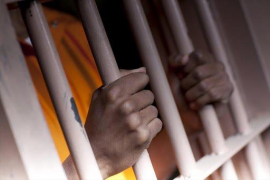
The Department of Correctional Services (DCS) says it continues to implement measures to mitigate against the spread of COVID-19, in an effort to protect officials, inmates and the general public.
As part of implementing preventative measures and adhering to all regulations to curb the spread of infections, the department said visits to all correctional and remand detention centres across the country, has been suspended.
In a statement, Justice and Correctional Services Minister Ronald Lamola, reported that the vaccination rollout is also progressing, with healthcare workers, including officials and inmates aged 60 and above registered and receiving COVID-19 vaccines.
The rollout is monitored through the department’s Vaccination Rollout Coordinating Committee, which comprises healthcare officials from head office and all regions.
“As of 24 June 2021, 797 healthcare professionals, amounting to 77.9% of the total Correctional Services healthcare workers, had already received their vaccines. Ninety officials as well as 537 inmates aged over 60, also received their first doses of the Pfizer vaccine,” Lamola said.
He said other inmates and officials will receive vaccines during the next phases.
The Minister added that the department remains committed to ensuring that inmates receive their COVID-19 vaccinations in order to achieve population immunity in correctional facilities.
“We continue to implement and adhere to protocols, in line with the DCS Standard Operating Procedures for the Preparedness, Detection and Response to COVID-19. As of 24 June, DCS had a total of 322 [including] 282 officials and 40 inmates’ active cases which translates to 0.61% of officials and 0.03 % of inmates.
“The cumulative total of positive cases to date amounts to 12 345 (7 820 officials and 4 525 inmates). The number of recoveries amount to 11 761, which translates to a recovery rate of 95.27%. Deaths amount to 260 (182 officials and 78 inmates),” Lamola said.
Ninety sites approved for vaccination
Lamola said the department is ready for the rollout of the next phase of vaccinations, with 90 sites approved for vaccination.
He said this will enable vaccination of the 138 828 inmates currently incarcerated.
Officials and inmates are being reached through awareness campaigns on the importance of vaccination throughout all regions.
“It is important for inmates to get vaccinated, as this is in line with the Nelson Mandela Rules which clearly stipulate that inmates should enjoy the same standards of healthcare available in the community. Inmates are also vulnerable to infection, and their vaccination will ensure protection of both correctional officials and the general public,” Lamola emphasised.
The Minister said the department will also continue to implement preventative measures, including screening officials, inmates, essential workers and service providers accessing facilities.
He said new admissions are screened and quarantined, should they show any symptoms and they are monitored and admitted for quarantine purposes.
“Contact tracing for all confirmed cases, including officials and inmates, is carried out. All close contacts are quarantined and monitored for symptoms, then tested as per Department of Health guidelines.
“All correctional centres have Personal Protective Equipment (PPEs). Inmates have also contributed to this by producing some of the PPEs, including facemasks totalling 550 103, as well as sanitizer stands,” Lamola said.
Hawks, NPA investigate TRC atrocities

Perpetrators of heinous apartheid era atrocities that came to light in late 90s’ Truth and Reconciliation Commission (TRC) will soon have to face the full might of the law.
At the weekend, the National Prosecuting Authority (NPA) and the Directorate for Priority Crime Investigation (DPCI/Hawks) confirmed that these cases would be revived.
The former has established dedicated capacity to ensure that those who are responsible for the crimes be held accountable in a fair and transparent process.
“To ensure that justice is delivered, and to bolster the NPA’s capacity to prosecute these TRC cases, the NDPP transferred the cases to the relevant Directors of Prosecutions (DPP) in the regions where the crimes were committed, with support from a National Office capacity.
“This approach increased the number of experienced prosecutors available to handle these complex cases.”
In the past 12 months, the number of cases has increased from 4 to 53.
The move comes after last week’s judgment of the Supreme Court of Appeal (SCA) in the Rodrigues matter. A full bench of the SCA dismissed an application of stay of prosecution, citing a delay before the accused was indicted.
The NPA and Hawks in a joint statement said the SCA ruling was important.
An earlier Joburg High Court judgment directed the National Director of Public Prosecutions to enquire into improper influence brought to bear on the NPA.
“This is a complex and complicated matter and the NDPP has been engaging with the Minister of Justice to determine the most effective course of action,” they said.
“The judgment is an important step towards honouring those who gave their lives for our constitutional democracy.
“It aligns with both the Hawks and NPA’s commitment to end impunity as it enables the NPA to move ahead to prosecute Rodrigues and other perpetrators of apartheid era crimes where there is sufficient evidence, and where prosecutions have not taken place, for various reasons.”
This judgment, reads the statement, bolsters the NPA’s determination under the current NDPP, Adv Shamila Batohi and unwavering commitment of National Hawks Head, Lieutenant General Godfrey Lebeya, to revive these investigations and initiate prosecutions.
The two agencies said South Africans in general, and families of victims in particular, need to understand why these crimes were not prosecuted in the past.
“This will also provide important lessons regarding the need to ensure a robust framework to protect the independence of the NPA.
“The NPA acknowledges that the unmerited delay of prosecutions of these cases amounts to the denial of justice to the victims of apartheid era atrocities.
“The NPA, as lawyers for the people and defenders of those who suffered from injustice, has established dedicated capacity to ensure that those who are responsible for atrocities can be held accountable in a fair and transparent process.”
To bolster the NPA’s capacity to prosecute the TRC cases, the NDPP transferred the cases to the relevant Directors of Prosecutions (DPP) in the regions where the crimes were committed, with support from a National Office capacity.
The two agencies have adopted a TRC investigation strategy that will see the creation of a dedicated and sustainable capacity to investigate and prosecute the crimes.
The NPA is in the process of setting up a specialist unit to deal exclusively with these matters, and will be appointing former experienced prosecutors in offices which require additional capacity. A dedicated national office capacity will provide specialised advice, coordination, and monitoring and support
In April, the Hawks appointed 34-members; competent and highly skilled former police detectives to probe these matters.
The investigations will be conducted on a fulltime basis by the team.
“Our collective efforts are starting to pay off and a further 59 cases have been identified,” they said.
“The inquests into the deaths in detention of Neil Aggett and Ernest Dipale, which were reopened have reached an advanced stage. The NPA has also obtained Ministerial approval to open another inquest. Moreover, work is being done on other matters which would enable consideration for those cases to be reopened as well,” reads the statement.
Cases under consideration all date back to the early 1960s.
The agencies, however, acknowledge that challenges posed to the investigations cannot be underestimated.
“The work to investigation, without fear, favour or prejudice on all other remaining cases is continuing. The capacity of the team will be enhanced as the need arises. The DPCI shall have built sufficient capacity to carry out any processes that may be left pending,” said General Lebeya.
Despite these challenges, the two said they would remain focused to ensuring accountability for the crimes.
“The victims deserve nothing less,” he said.
Batohi said: “Time is not on our side. We have a small window to address this; loved ones need to see justice being done; and justice will not be served until we act decisively against those that the NPA was once powerless to hold to account.”
122 more people die due to COVID-19
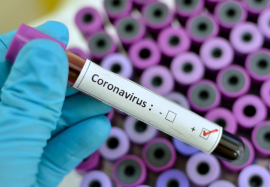
South Africa’s COVID-19 cases continue to rise as the country moves to Adjusted Alert Level 4, with 15 036 infections logged on Sunday.
The National Institute for Communicable Diseases (NICD) said the new cases are from the 55 920 tests conducted in the last 24 hours, representing a 26.9 % positivity rate.
Gauteng province accounts for the majority of new cases (66%), followed by the Western Cape (9%).
Meanwhile, 122 more people lost their lives to COVID-19 complications, pushing the death toll to 59 900.
According to the public health institute, the country had an additional 361 hospital admissions.
This means 11 413 patients are currently receiving treatment in hospitals across South Africa.
In addition, the recovery rate has dropped below 90% and now stands at 88.7%.
On Sunday, 1 343 people received their COVID-19 vaccine, pushing the total to 2 205 228.
Over 185 000 educators, staff vaccinated

More than 185 000 educators and staff have been vaccinated in the basic education sector, as the sector continues the COVID-19 vaccine rollout.
In a statement on Sunday, the Department of Basic Education said 30 000 teachers and support staff in Limpopo, were vaccinated on Friday and Saturday.
“The province has managed to administer the vaccine on 15 000 people in two successive days. At this rate Limpopo needs one more day to complete vaccinating everybody in the list,” the department said.
The sector targets to vaccinate 582 000 people by 8 July 2021, with eight provinces to continue with the vaccine rollout on Monday to Friday.
Basic Education Minister Angie Motshekga is expected to join Free State Education MEC Tate Makgoe on Monday, as the sector continues to get more people vaccinated against COVID-19.
“The monitoring visits will start at the Seemahale Secondary School in Botshabelo and continue at Pontsheng Primary School, as well as Mpatleng Senior Secondary.
“The Minister will proceed to the Northern Cape on Tuesday. Minister Motshekga is scheduled to be in the Eastern Cape on Thursday this week,” the department said.
The visits are aimed at encouraging more people to get the vaccine.
The department said it is satisfied with the turnout thus far, and remains hopeful that the target will be met as scheduled.
Gauteng COVID-19 spike to spread to the rest of SA: Kubayi-Ngubane
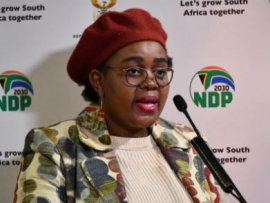
The COVID-19 third wave, which is driven by Gauteng, will spread to other provinces.
This is the warning that was issued by the acting Health Minister, Mmamoloko Kubayi-Ngubane, who was addressing the media on Friday.
“There should be no sense of complacency in other provinces which are all demonstrating upward trajectories and the wave in Gauteng will inevitably spill over into the rest of the country.”
Gauteng remains the epicentre of the pandemic and accounts for the majority of 9 521 new cases (59%) reported on Thursday, followed by 1 912 in the Western Cape (12%).
“I wish to open this press briefing first by acknowledging the grave situation we find ourselves in as a country, as we battle a third wave of the COVID-19 pandemic,” she said.
Kubayi-Ngubane, Public Service and Administration Minister Senzo Mchunu and a panel of experts were briefing the media on efforts in the fight against COVID-19, including an update on the national vaccination rollout programme.
Meanwhile, the acting Minister said the seven-day moving average graph shows that in Gauteng, the current wave has passed the first two that the country faced.
On Thursday, Gauteng Premier David Makhura said one in three people in the province who go for a COVID-19 test is “likely” to have the virus.
Interventions
In the meantime, the acting Minister said the National Department of Health has activated its surge response, which is executed together with the World Health Organisation (WHO) Surge Team deployed in the country.
The department has also employed 10 intervention areas that provinces must adopt to aid in the resurgence preparations and response.
These include governance and leadership, medical supplies, port and environmental health, epidemiology, facility readiness, case management, risk communication and community engagement, occupational health and safety, infection prevention and control, and human resources.
Also, the department will continue to monitor daily infections, hospital admissions, mortality rate, oxygen availability, personal protective equipment (PPE) availability and medicine supply.
“Where there are challenges, we alert the province to the impending risk and encourage them to address the matter,” she said.
“Yesterday, we had a meeting with Gauteng to confront the pressure they are facing with this wave and comprehensively deal with the drivers of this current wave, strategic case management and effective containment measures.”
She said she will be meeting with Ministerial Advisory Committee (MAC) on COVID-19 on Saturday about issues that need critical and urgent intervention.
Deputy Director-General for Health, Dr Anban Pillay and a representative from Gauteng will join the acting Minister and they will present a detailed report on how the National and Provincial Departments of Health are implementing the surge response strategies.
“It is important to continue to emphasise not only the wearing of the mask all the time in public but wearing the mask correctly,” she stressed.
Healthcare workers
Meanwhile, Kubayi-Ngubane also took the time to pay tribute to the medical practitioners who continue to treat the COVID-19 ill patients.
“Allow me to express my deep appreciation to the frontline healthcare workers who continue to fight, wave after wave, for our people.”
She said it gives her comfort to know that health workers are protected, as the vast majority of them have been vaccinated and that the department has adequate PPE stock.
“I am certain that at this point, our healthcare workers are tapping into the most profound depths of strength, resilience and compassion – despite being exhausted and mentally drained by a 15-month long war,” she said.
“We celebrate our heroes and dip our banners to those that fell in the line of duty.”
COVID vaccination for those aged 50 and above to start on 15 July
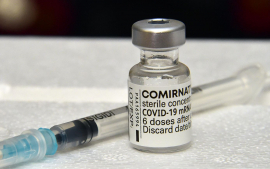
Acting Health Minister, Mmamoloko Kubayi-Ngubane, has announced that those aged 50 and above will get the chance to receive their COVID-19 vaccines from 15 July 2021.
The Acting Minister announced this on Friday, following approval by the Inter-Ministerial Committee (IMC) on Vaccines.
Registration will open from 1 July. The Minister also encouraged those aged 60 and above to still sign up for their jabs.
“If you have a friend, family member, neighbour or loved one who is 60 years and above and is yet to vaccinate or register, please bring them along.”
Kubayi-Ngubane, Public Service and Administration Minister Senzo Mchunu and a panel of experts were briefing the media on efforts in the fight against COVID-19, including an update on the national vaccination rollout programme.
Arrival of more vaccines
Meanwhile, she told journalists that government is expecting more vials of vaccines to arrive in South Africa.
Pfizer has since committed to delivering over 15.5 million doses in the third quarter, of which 2.1 million are expected to land in the country in July.
Meanwhile, 1.2 million additional Johnson & Johnson (J&J) single-dose shots, which need to be used by 11 August, arrived in South Africa on Thursday night.
“We are awaiting confirmation for delivery of 500 000 doses, these expire later than the previous doses mentioned and this makes up the two million to replace those that were lost to the contamination incident.”
She said the country was currently running three parallel processes under phase two of the vaccination rollout plan, including the inoculation of the general population, priority services sector staffers and workplace vaccination in key economic sectors.
As more vaccines trickle in, the acting Minister said this would enable government to “press ahead” with the vaccination of frontline workers sector by sector.
The State would then move onto workplace vaccinations – both formal and informal sectors.
“We will take guidance from the Ministerial Advisory Committee on COVID-19 on which of these sectors to prioritise and move along until all work-based vaccinations are completed.”
Vaccines do work
The Acting Minister said preliminary study results show evidence of reduced moderate to severe illness and death in vaccinated healthcare workers.
The lead investigator in the Sisonke Study that saw almost close to 500 000 healthcare workers vaccinated, Professor Glenda Gray, announced last week that studies show a good immune response to the J&J single-dose COVID-19 vaccines.
“There is clear evidence that vaccines work. So far, there are no deaths recorded related to the vaccine itself,” said Kubayi-Ngubane.
While there were a few vaccine-induced thrombotic events, these were all detected and managed by expert clinicians.
“Overall, this study provides confidence that the vaccine confers high levels of protection to those who have been inoculated with it.”
She also touched on the United States Food and Drug Administration’s (FDA) plans to add a warning about rare heart inflammation in younger men to Pfizer and Moderna vaccines.
“These events are rare. I have been reassured by our experts that the vast majority, if not all cases, that have been reported were mild with short hospital stays and that there have been no reports in South Africa,” she said, adding that the department will continue to monitor this closely.
“Pfizer is still considered safe and effective for all population groups above the age of 12 years.”
Meanwhile, she said she still believes that COVAX was still a useful facility for low- and middle-income countries to acquire the much-needed vaccines.
“For South Africa, we will continue to ensure that we get the best out of COVAX, however, we have adopted a diversified approach to procuring vaccines so that we do not put our eggs in one basket as we have been falsely accused.”